
Not every business that feels finished actually is.
Sometimes the problem is the market. Sometimes it is cash flow, debt or declining demand. But sometimes the business itself is not the thing that is broken. Sometimes it is the owner.
That can be difficult to admit, particularly for founders who have spent years carrying pressure in silence. But exhaustion changes how decisions get made. It narrows perspective, drains confidence and makes even manageable problems feel permanent.
For a lot of SME owners in 2026, the line between a struggling business and personal burnout has become harder to separate.
When Everything Starts Feeling Impossible
Most business owners expect stress. It comes with the territory.
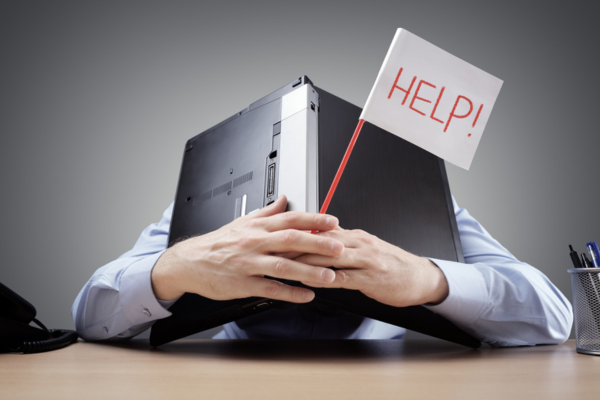
What catches people off guard is how gradual burnout can be. A difficult quarter rolls into another. Costs rise. Staff leave. Customers pay late more and more often, and cash ends up flowing out the door much faster than it lands in the bank. The owner works longer hours to compensate, sleeps less and slowly shifts from proactive decision-making into constant firefighting.
Eventually, everything starts feeling heavy. At that stage, closing the business can begin to feel less like a strategic decision and more like relief.
Decision Fatigue Changes Perspective

Running a business means making decisions all day long. Staffing, pricing, cash flow, suppliers, clients, compliance – the list never stops.
Over time, particularly under financial pressure, that constant decision-making takes a toll.
Psychologists often refer to this as decision fatigue: the deterioration in judgment that happens after prolonged mental strain. In practice, it means business owners default to whatever option removes pressure the fastest.
Sometimes that option is walking away.
The problem is that exhaustion has a way of making temporary problems feel permanent. That does not mean closure is always the wrong choice, but it does mean exhausted people are rarely in the best position to judge clearly.
A Difficult Business is not Always a Failed Business

Many businesses hit periods where pressure outpaces capacity. Growth becomes chaotic. Margins tighten. Cash flow falls behind. Owners become overwhelmed trying to hold everything together.
None of those things necessarily means the business itself is beyond saving.
Some businesses have genuine structural problems: no demand, unsustainable debt or a model that no longer works. Others are operationally viable but are being run under impossible levels of pressure.
Solutions look very different depending on which situation you are actually dealing with.
Burnout Can Distort Business Decisions

Burnout does not just affect energy levels. It affects judgment.
Owners often become more risk-averse when exhausted. Decisions get delayed. Problems feel bigger than they are. Long-term thinking disappears because everything becomes focused on surviving the next week.
In some cases, founders emotionally disconnect from the business altogether. Motivation drops, communication suffers, and opportunities stop being pursued.
From the outside, it can look like the business is failing. Internally, the reality may be that the owner has reached their limit. That pressure changes how businesses operate.
Signs a Business May Still Have Life Left In It

There are usually indicators that a business still has potential, even when the owner feels drained.
Customers are still buying. Enquiries are still coming in. Staff remain committed. The core product or service still works. The pressure is coming from cash flow, operational overload, or a lack of support rather than a total collapse in demand.
That does not make the situation easy. But it does suggest the business may not be as “finished” as it feels in the middle of burnout. Sometimes what is missing is not viability, but breathing room.
Why Stepping Back Matters
One of the hardest things for founders to do is pause long enough to assess the situation properly. It can be even harder to call in a business restructuring expert to take an objective look at the situation and map out a path forward.
Exhausted owners tend to stay trapped inside immediate pressure. They make decisions while stressed, sleep-deprived and emotionally drained. That is rarely the best environment for major decisions about closure, insolvency or selling a business.
Once panic eases slightly, owners can often distinguish between temporary problems and genuinely fatal ones to the business.
Of course, not every scenario is the same. There are situations in which closing, business restructuring, or selling is the healthiest and most realistic option. Some business models stop being viable. Some debt levels become unsustainable.
Some owners simply no longer want the life that comes with running the company. There is no shame in recognising that.
Looking at the business separately from the exhaustion
One of the most useful questions a founder can ask is this: “If I had proper sleep, some breathing room and less immediate pressure, would I still want to close this business?”
Sometimes the answer is yes. But surprisingly often, it is not. It’s at this point that calling in a business rescue advisor is a smart move.
The business may still have value, customers and long-term potential. What has disappeared is the owner’s capacity to keep carrying the pressure alone.
That is an important distinction, because not every business that feels finished actually is. Sometimes the business still works – it is the owner who has run out of energy trying to hold it together.
That’s where we come in. We’ve helped hundreds of business owners to save their business with intelligent business restructuring solutions and debt refinancing. Our focus is on helping you to save your business, save jobs and restore your sanity. Give us a call on 0800 433 7016 to discuss your situation with a Boardroom Punk in complete confidence.


